
Wire SawingBendigo
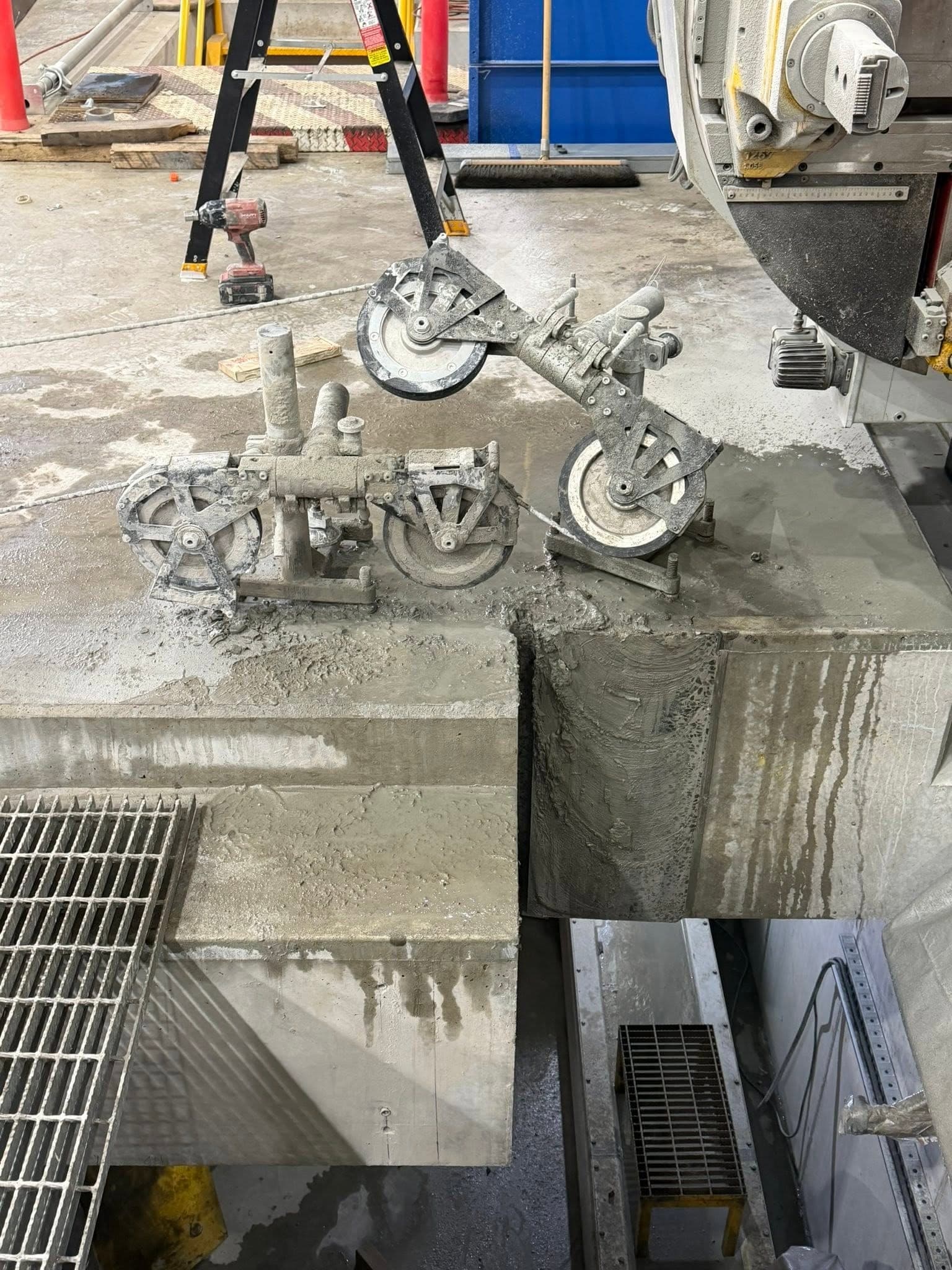
When the section is too thick, too awkward or too full of steel for a blade, the wire goes around it and cuts it anyway.
- 24/7Every day, all year
- 20+ yrsCommercial / Civil
- CSDAAMember and insured
- 4.9 starsFrom 18 reviews
No depth limit worth arguing about
A diamond wire is a loop, not a disc, so nothing about it is limited by blade radius. Once the wire is threaded through the section it will cut whatever it can be wrapped around: mass concrete, bridge headstocks, piers, abutments, deep footings, stone and heavily reinforced sections that stop a wall saw dead.
It cuts cold and it cuts quiet. No hammering, no percussion and almost no vibration into the structure, which is why it gets specified on bridges still carrying traffic, on heritage masonry, and over services that would not survive a breaker working above them.
The face it leaves is flat and square. On a staged demolition or a structural opening that means the concrete you keep is left in a condition you can pour against, bolt to or land steel on, without a patching bill to make it good first.
What turns up
- Method
- Diamond wire loop
- Section size
- No practical limit
- Cuts
- Concrete, stone, steel
- Vibration
- Next to none
- Finish
- Flat and square
- Availability
- 24/7, 365
Where the wire earns its money
Wire sawing is not the cheapest way to cut concrete, so we only put it on a job that genuinely needs it. These are the ones that do.
Bridge and civil works
Headstocks, piers, abutments and deck sections cut cold, without shaking a structure that is still carrying traffic underneath or over it.
Mass concrete
Footings, blocks and thick pours where no blade on the market reaches the middle of the section.
Heavy reinforcement
Dense rebar, post tension anchors and embedded steel plate that would burn a diamond disc out in minutes.
Staged demolition
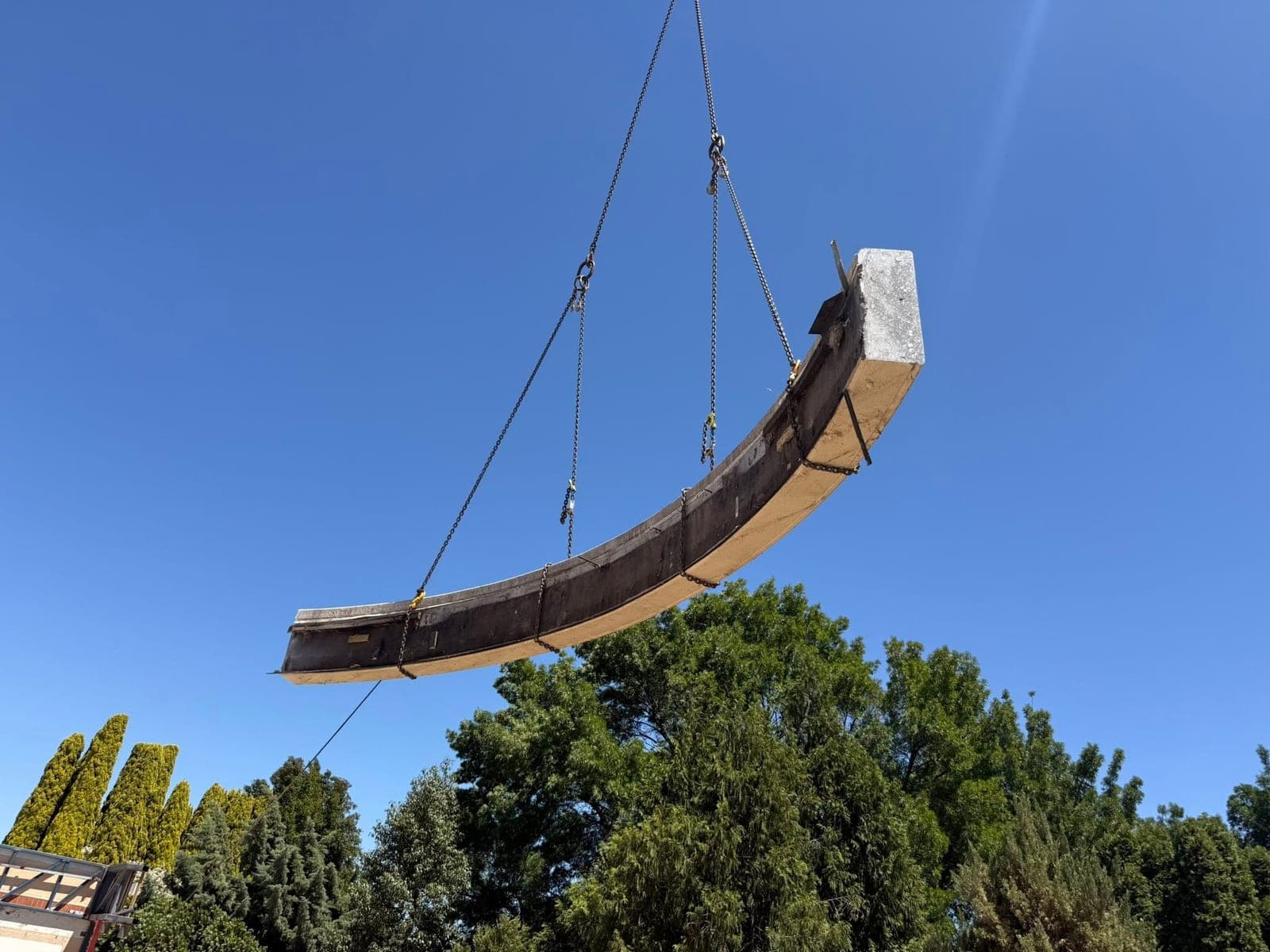
Taking a structure down in pieces small enough to lift out, on sites where dropping it is not an option.
Stone and masonry
Bluestone, heritage footings and rubble walls that need a clean parting line instead of a hammer and a hope.
Awkward geometry
Cross sections, odd angles and cuts in spaces with no room to swing a machine or stand a track.
Wire sawing around Bendigo and central Victoria
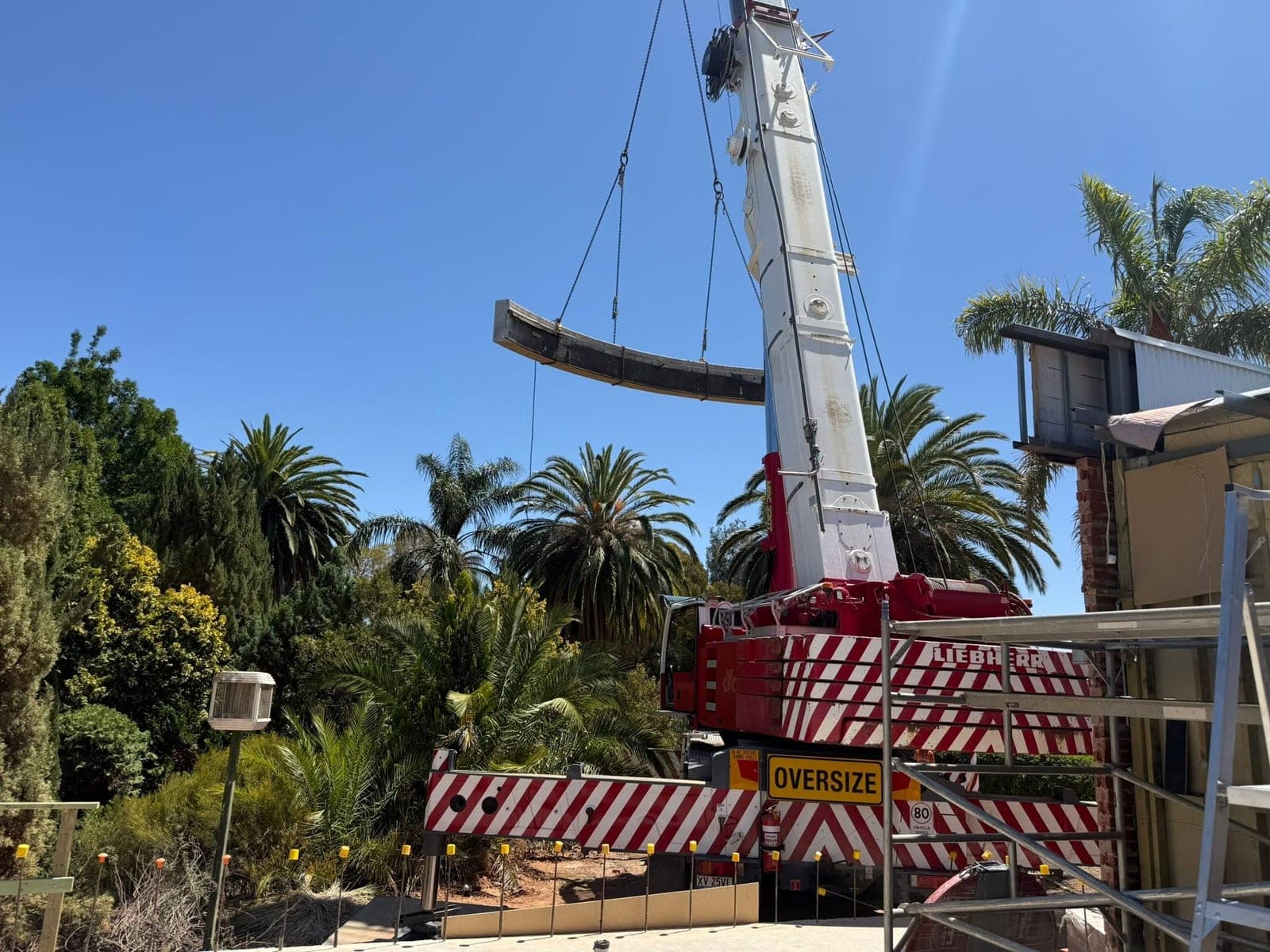
Wire sawing is a specialist call, so the Bendigo enquiries come from engineers, civil contractors and demolition companies rather than off the street. The job is usually a bridge, a headstock, a mass footing or a structure that has to come apart without being knocked down.
Because it is specialist gear, most of central Victoria has to bring a wire saw up from Melbourne. Having one based in Bendigo turns the mobilisation into a morning instead of a day, which on a road closure or a rail possession is often the whole reason a job is affordable.
We will also tell you when you do not need it. A fair share of the sections quoted as wire sawing sit inside a wall saw at 730mm, and the wall saw is quicker and cheaper. Send the dimensions and you will get the honest option priced.
Often on the same job
- Wall Sawing Bendigo Under 730mm from one face, this is the cheaper machine for the same cut.
- Concrete Removal Bendigo Sections come out in liftable pieces and leave on our truck.
Wire Sawing across the region
Bendigo is the base, but the truck is on the road most days. Same gear, same crew, same hours, right across central Victoria and southern New South Wales.
Bendigo
VICEaglehawk, Kangaroo Flat, Strathfieldsaye, Huntly, Epsom
Swan Hill
VICKerang, Cohuna, Robinvale, Nyah
Shepparton
VICMooroopna, Tatura, Numurkah, Nagambie
Seymour
VICNagambie, Broadford, Euroa, Kilmore, Heathcote, Puckapunyal
Deniliquin
NSWFinley, Barham, Tocumwal, Jerilderie, Hay
What Bendigo customers say
Asked often
How thick can a wire saw cut?
There is no practical limit. A wall saw tops out at 730mm from one side because it is bound by blade diameter. A wire is a loop, so once it is threaded around the section, thickness stops being the deciding factor.
Will wire sawing damage the structure around it?
No. It cuts cold with almost no vibration and no percussion, which is exactly why it gets used on live bridges, heritage masonry and anything sitting over services that a breaker would wreck.
Can it cut through steel?
Yes. Heavy rebar, post tension anchors and embedded steel plate all go through. That is often the reason a job ends up on the wire rather than a blade in the first place.
Does the wire need a hole drilled first?
Usually, yes. The wire has to be threaded through the section, so we core a small hole at each end of the cut and feed it through. On a section with a free edge on both sides we can sometimes wrap it without coring.
Is wire sawing more expensive than a wall saw?
Per metre, yes. It takes longer to set up and the consumables cost more. On sections a wall saw can actually reach we will quote you the wall saw, because there is no sense charging you for a wire you do not need.
Do you travel out of Bendigo for wire work?
Yes. Wire jobs are usually civil or structural, so they turn up wherever the bridge or the plant happens to be. We work across central Victoria and into southern New South Wales, and further again on a big enough job.
Send us the section
Give us the dimensions, what is reinforcing it and what is sitting around it. We will tell you straight whether it is a wire job or whether a wall saw does it cheaper.